Classical Journeys: Lesbos, Troy, & Ephesus
Archeology, architecture, imperial cities, Greco-Roman theaters, artisans, cultural festivals, music, and more!
April 29 - May 11, 2027Â Â Â Sold out
April 13 - 24, 2028Â Â Â Registration open
Â
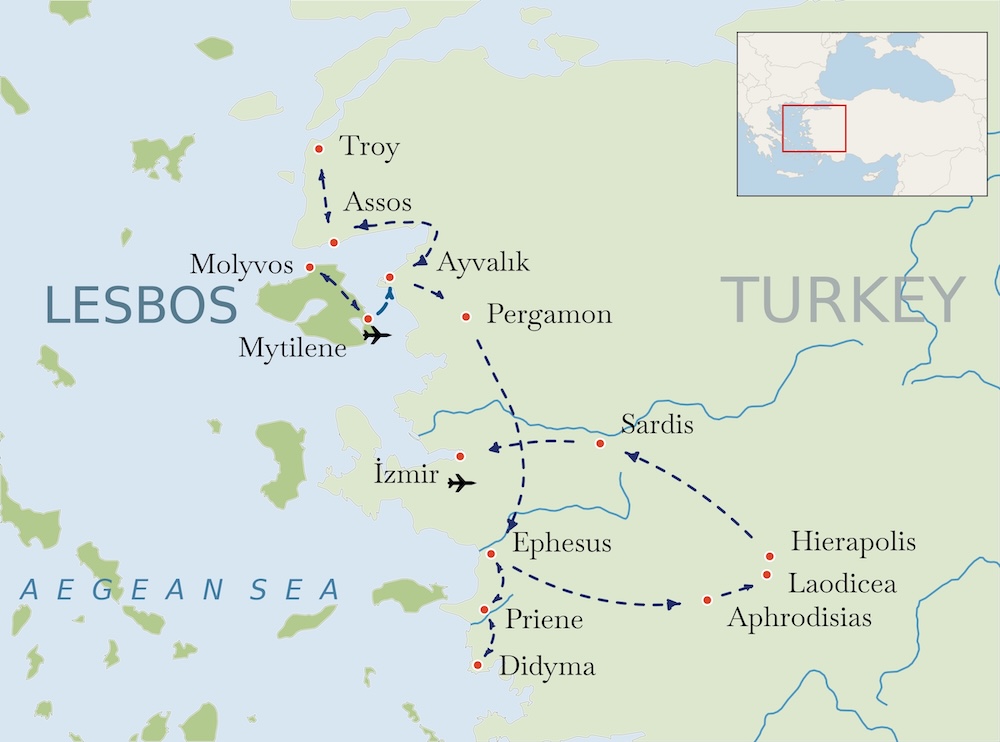
We present a Classical Journey designed to delight travelers that enjoy history, natural beauty, culture & civilization, local cuisines and wine, traditional music and arts, visiting UNESCO World Heritage sites, and learning about and exploring new places. Join our trip, Classical Journeys: Lesbos, Troy, & Ephesus, starting on the island of Lesbos for the Orthodox Paschal festivities, then continuing to Troy, Assos, Pergamon, Ephesus, Heiropolis, Laodicea, Sardis, and more!
The program includes 4 nights on Lesbos, a ferry ride to Turkiye, then 8 nights on the western coast including 2 nights in Assos, 3 nights in Selcuk, 2 nights in Pamukkale, and 1 final night in Izmir.
Highlights:
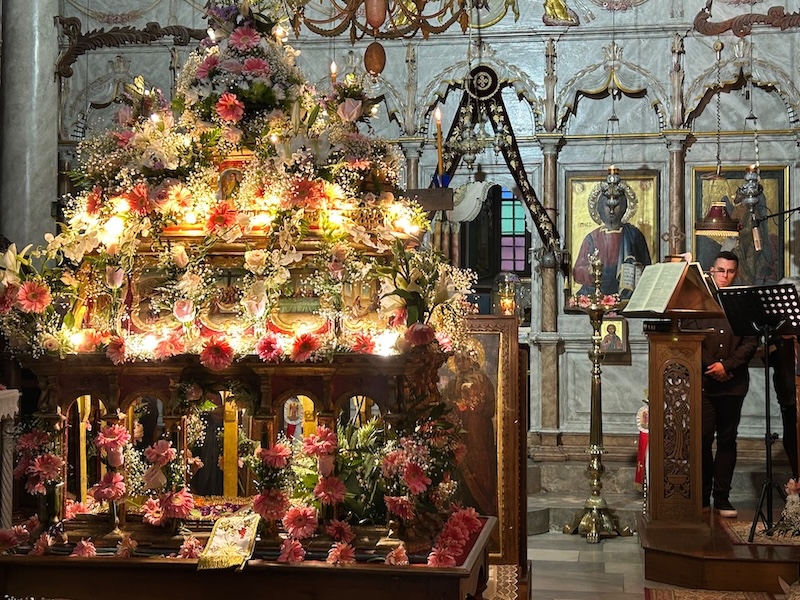
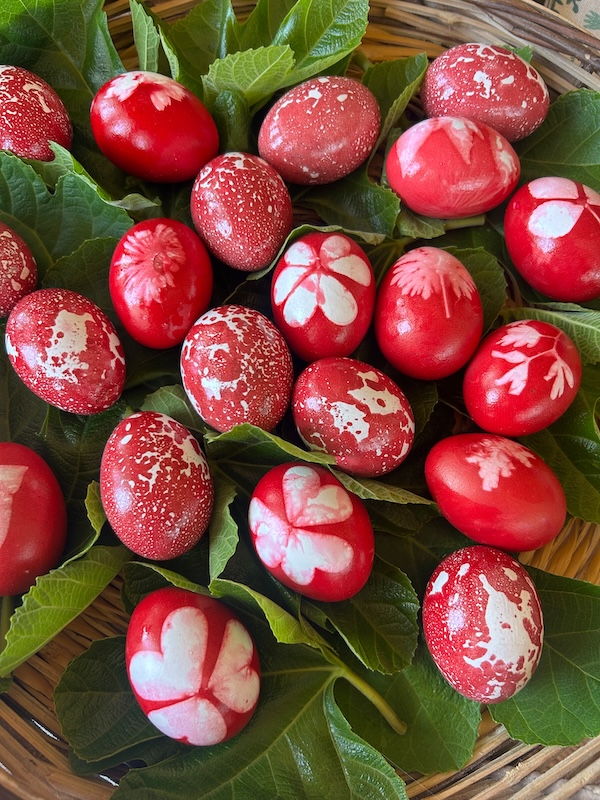
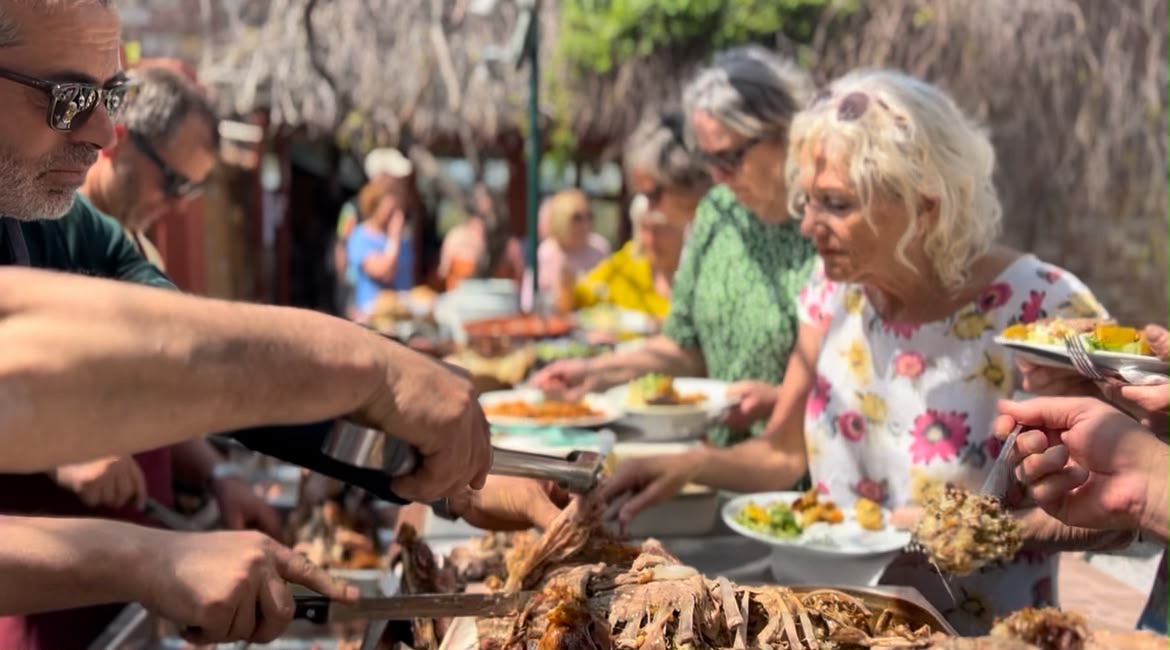
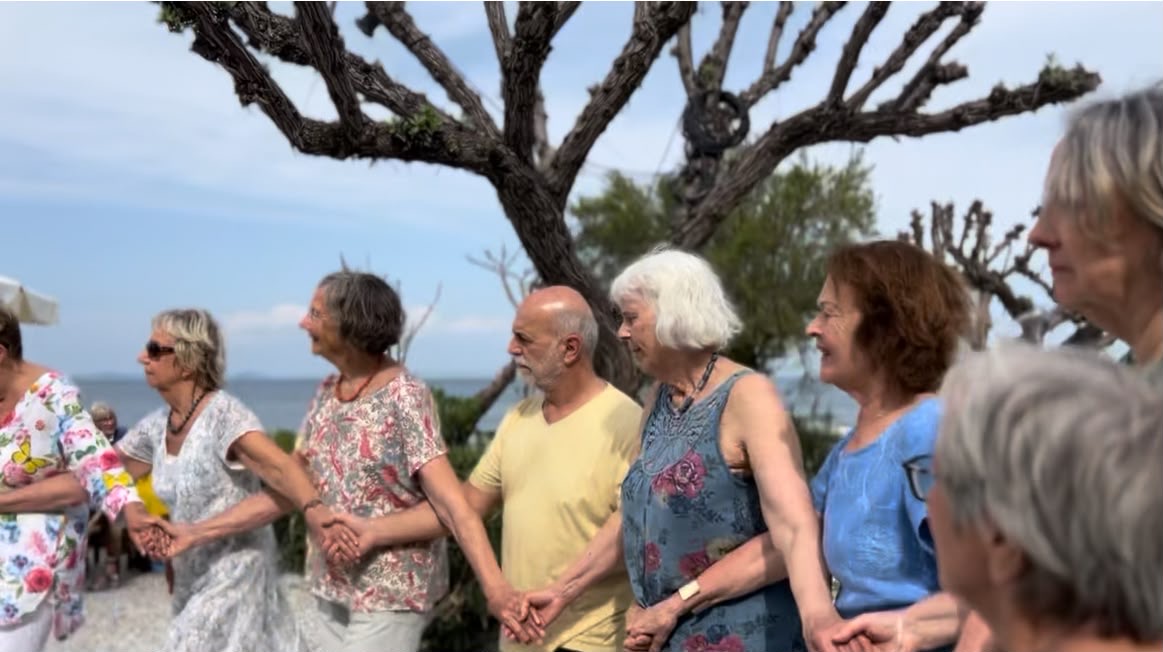
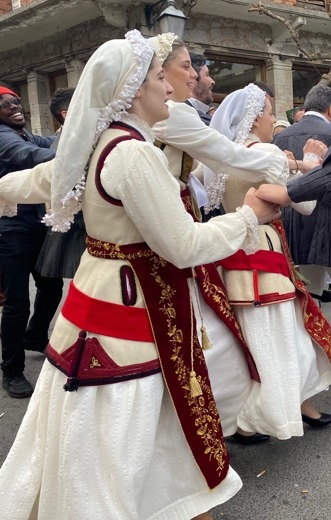
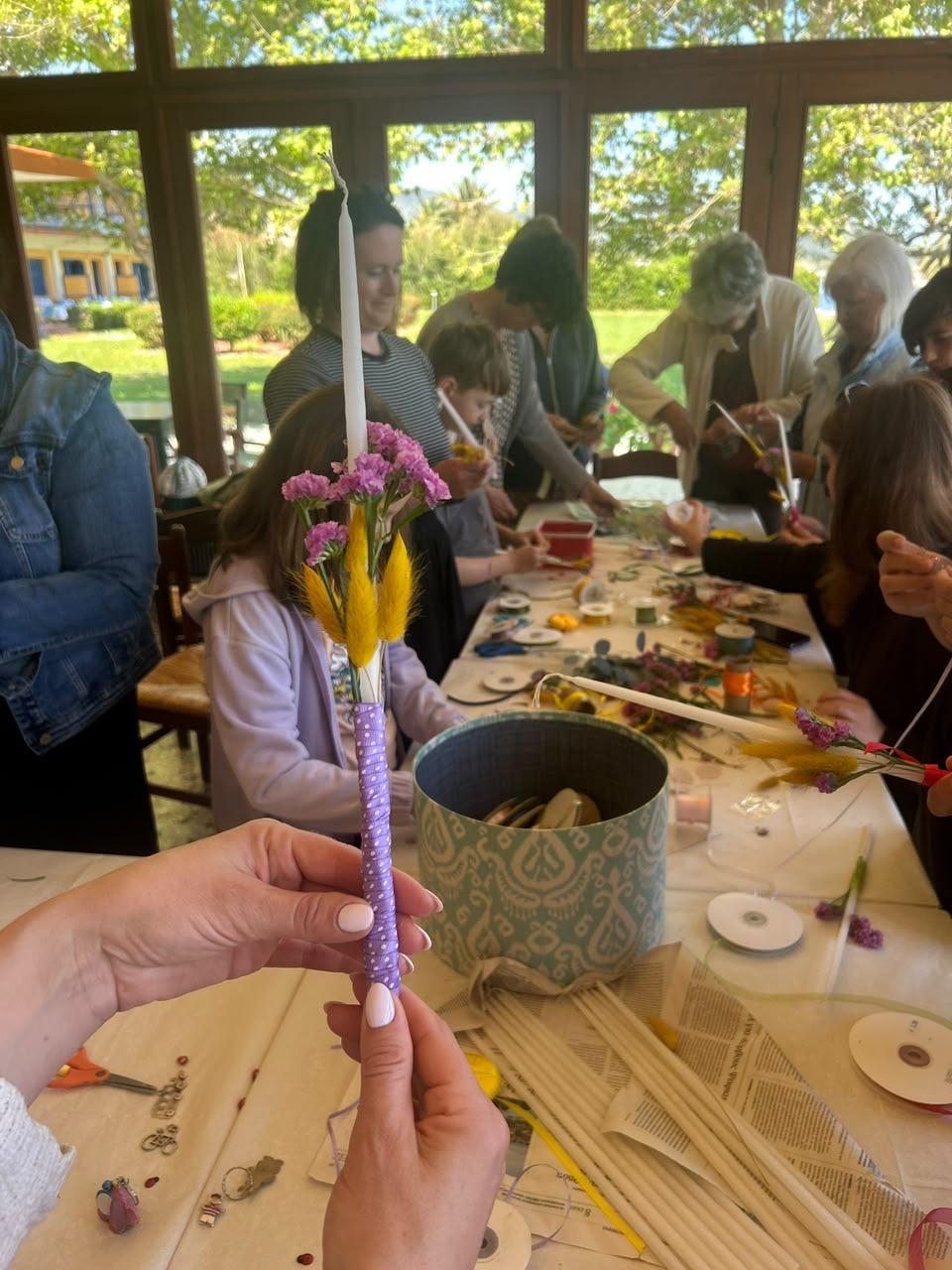
- Holy Week in Lesbos: Good Friday Epitaphios parade, the midnight Resurrection liturgy, traditional egg-dyeing, candle-making, and family-style lamb roast on Easter Sunday with singing and dancing.
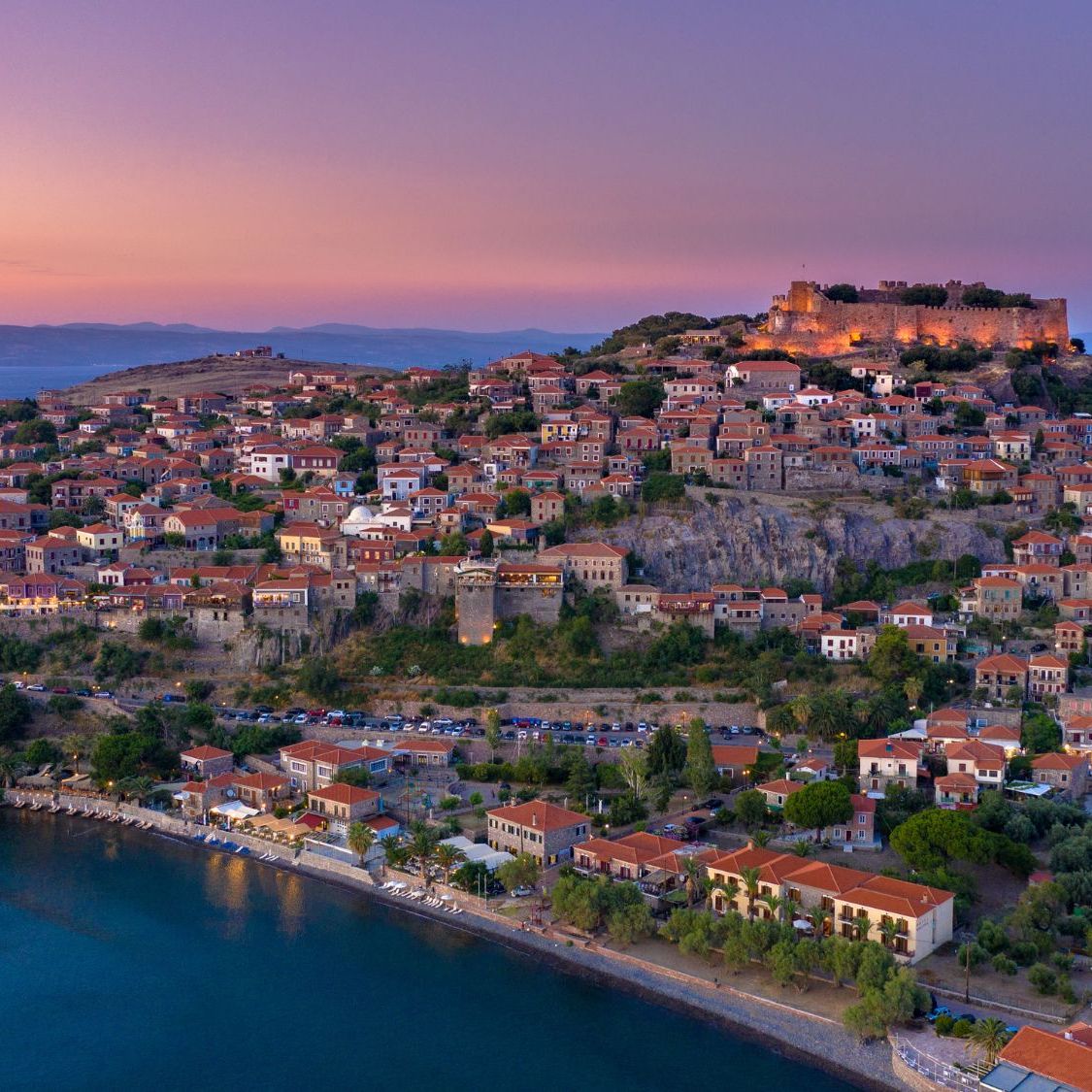
- Lesbos historic villages, castles, archeology sites.
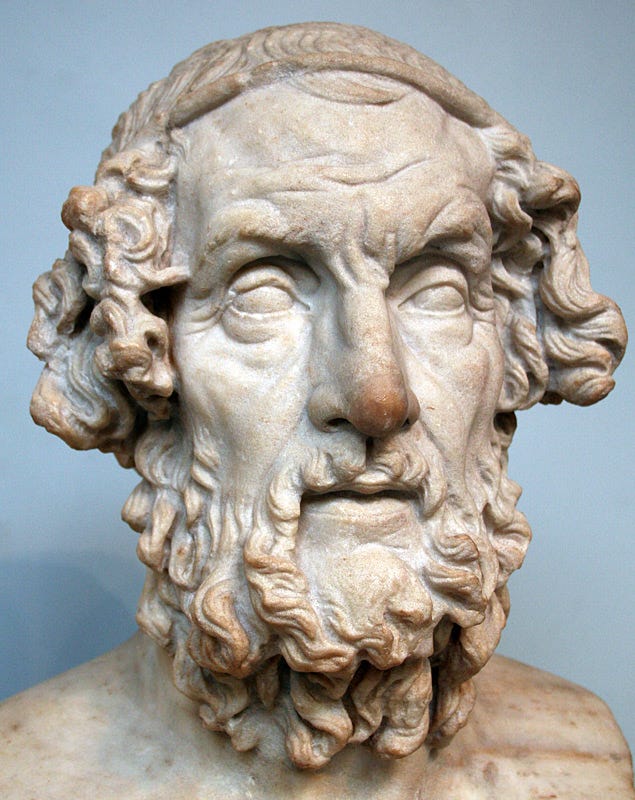
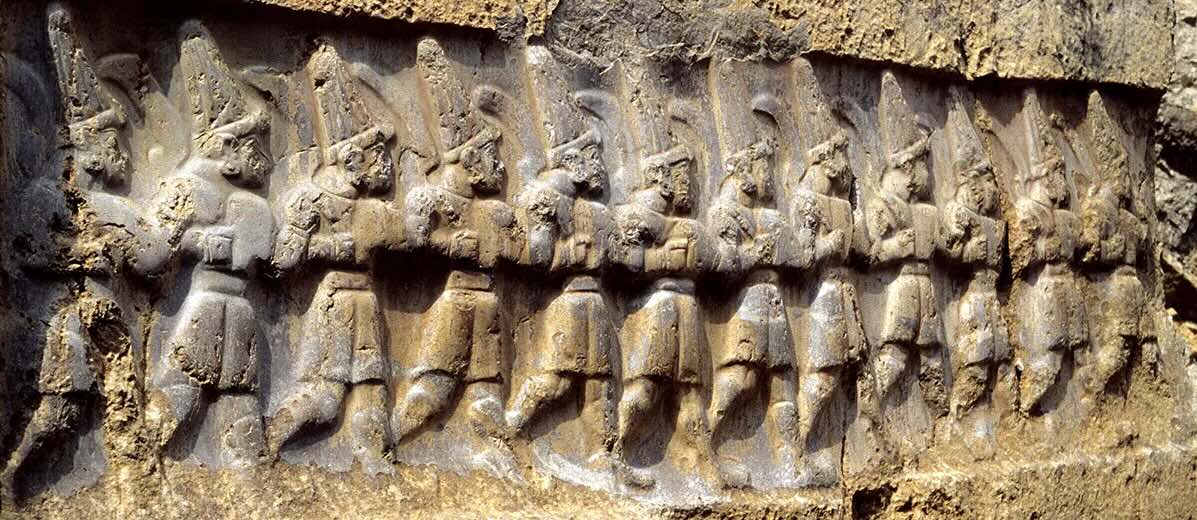
- Bronze Age: Troy, the Hittite kingdom of Wilusa, and events of Homer’s Iliad. Ephesus sanctuary of the mother goddess Cybele.
- Lydian: capital city at Sardis.
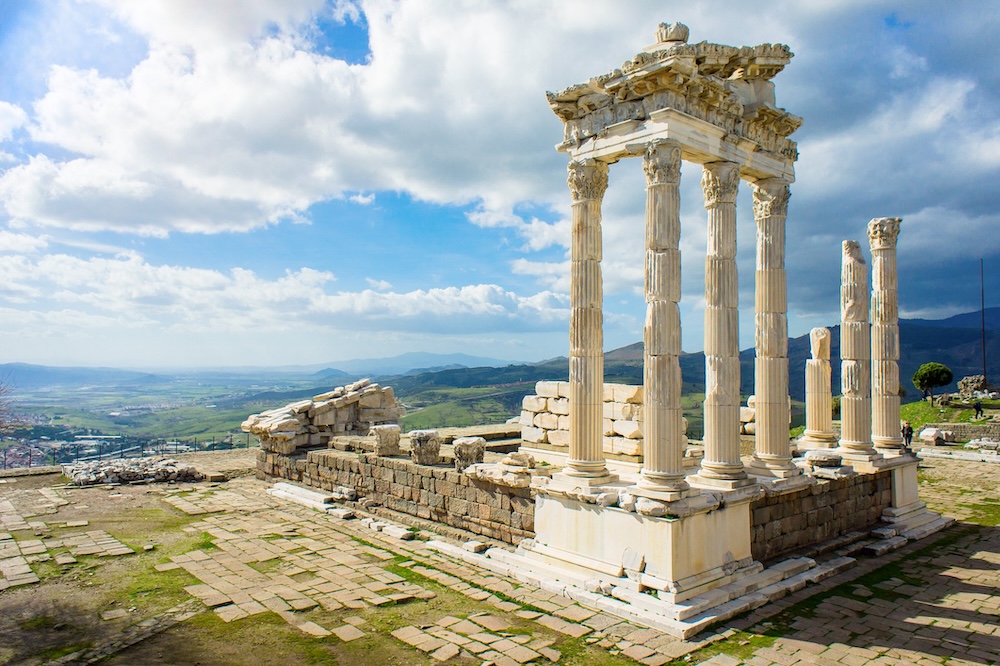
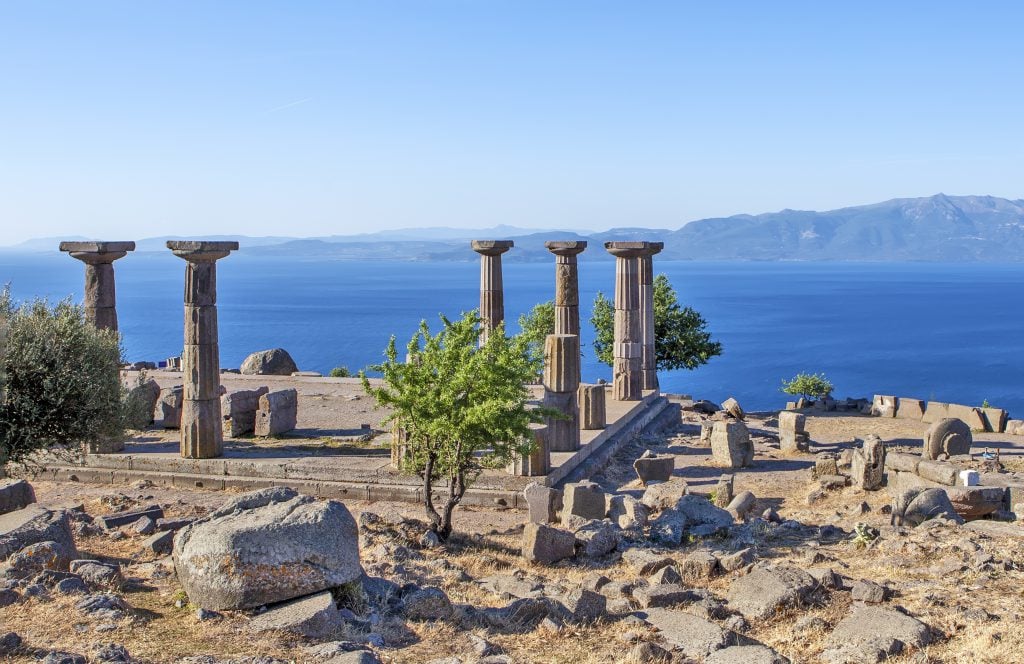
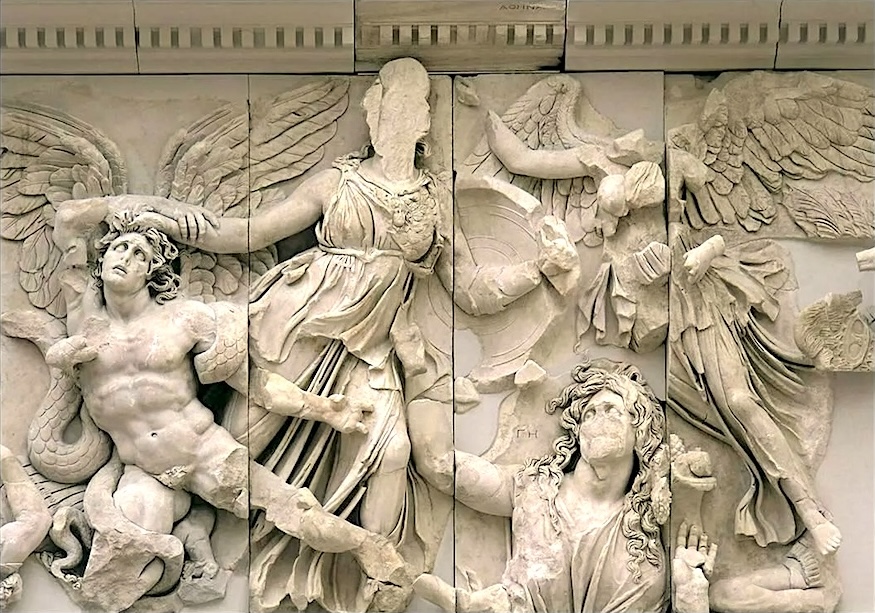
- Classical Greek: Assos and Aristotle's academy; Pergamon Attalid capital; Organized city of Priene; the oracle of Apollo at Didyma.
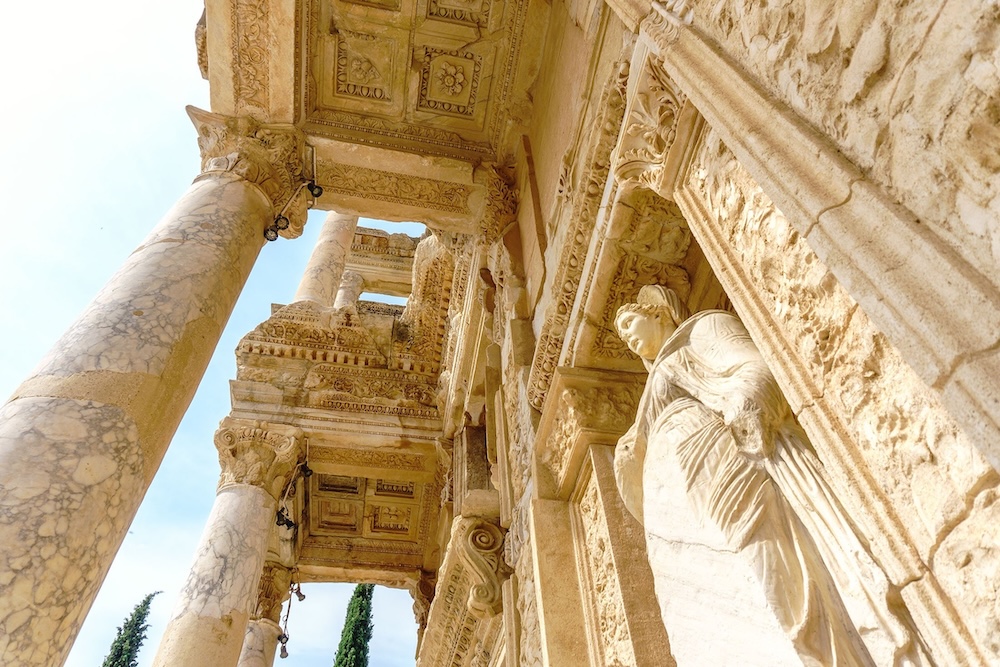
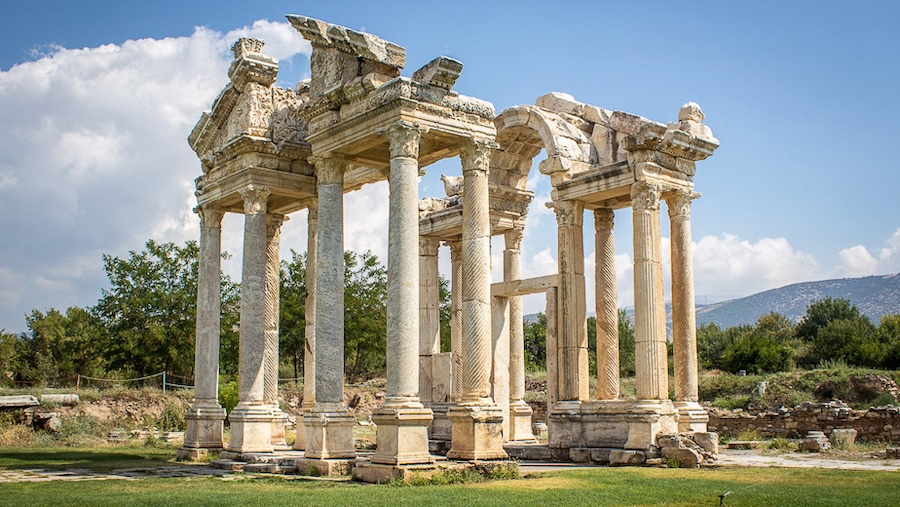
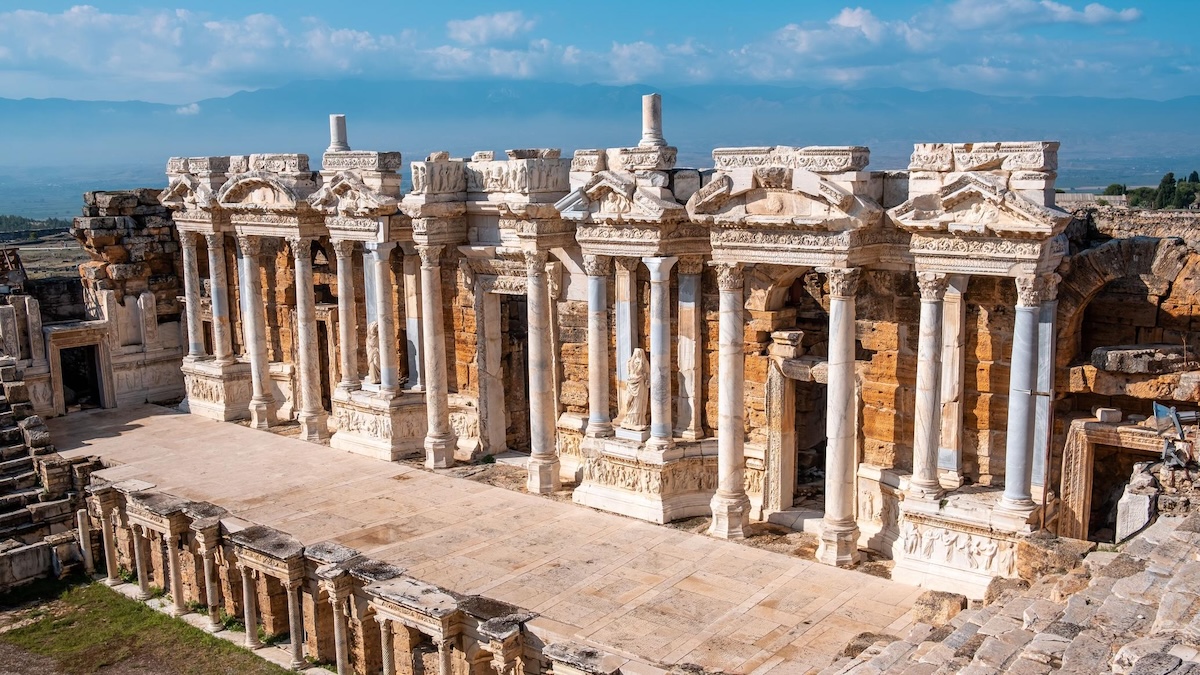
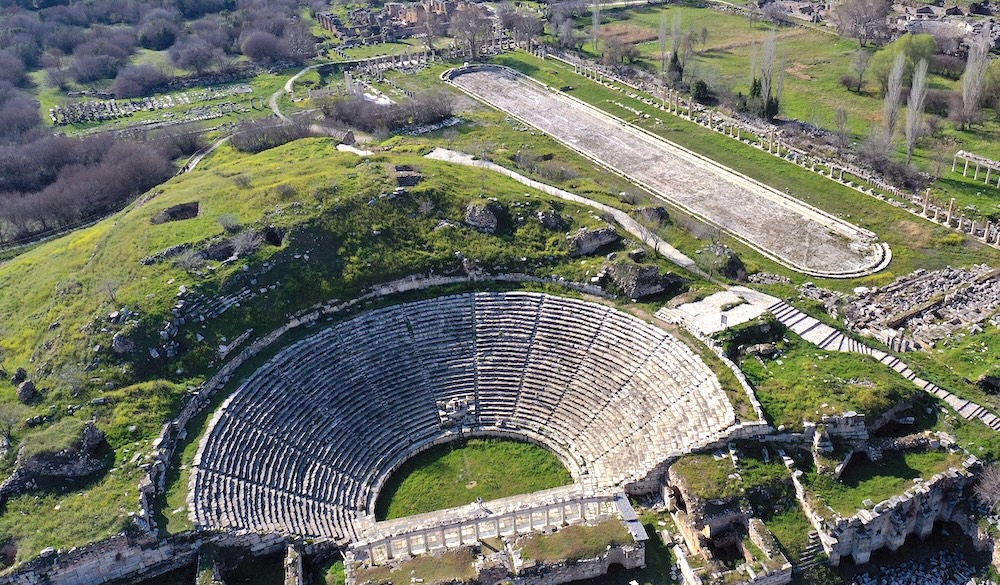
- Roman: Ephesus, Aphrodisias, Hierapolis, and the agora of Smyrna.
- Christian: the Basilica of St. John, the Martyrium of Apostle Philip, five of the Seven Churches described in Revelations including Ephesus, Smyrna, Pergamon, Sardis, and Laodicea.
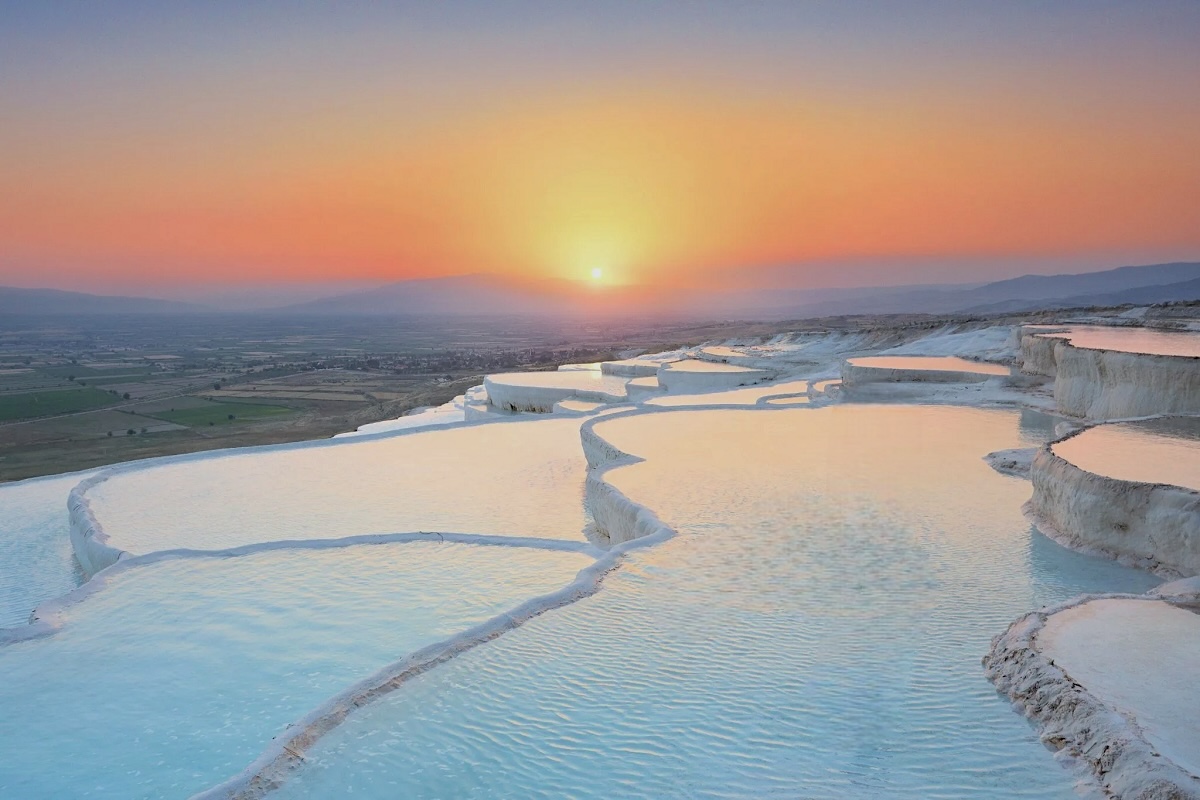
- Geology: volcanic island of Lesbos; the travertine terraces of Pamukkale; the gold-bearing Pactolus river at Sardis.
Reviews:
- For new visitors to our company, please see our review page to get a sense of why our small group tours are so popular!
Details:
- Arrive: Mytilene, Lesbos (airport designation MJT).
- Depart: Izmir, Turkiye (airport designation ADB).
- Transport: Private coach, ferry
- 13 day overland travel itinerary (12 nights).
- Visas: US, EU, UK, and AUS passport holders do not need visas for Greece or Turkiye. For other nationalities, check the country listings.
- Maximum 20 guests (only a deposit secures a place on tour).
Tour Leaders:
- John Graham
- Invited specialists and guest musicians
Accommodation:
- Best available boutique hotels.
Brochure:
- Contact us for the invitational tour brochure and registration form. Email: admin@johngrahamtours.com
Registration:
- Submit registration form (sent at your request)
- Send deposit of $1500 to secure your place (details in registration form)
Fees:
- Details in the tour brochure. Please email us for a copy!
- $300 discount for this tour if you have been on a tour to Georgia!
Payment Methods:
- Bank transfer (preferred)
- Zelle
- Credit card via Paypal (3% Paypal charge applies)
Pre/Post-Tour Options
- While we are not offering extension trips ourselves, we recommend spending a few days in Athens in advance of this tour, and Izmir or Istanbul at the end of the tour.
Included:
- Accommodation in high quality boutique hotels specially vetted for comfort and location
- All ground transportation including airport transfers, ferry tickets
- All meals with delicious local wines
- All entrances
- Guides
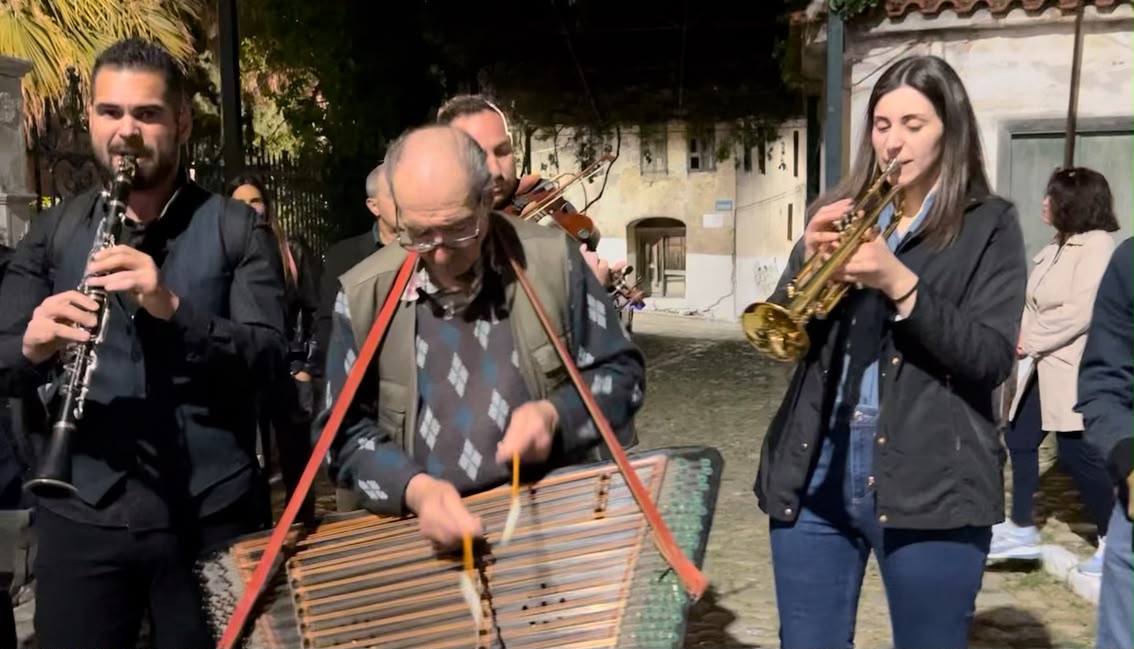
- Entertainment (traditional performers)
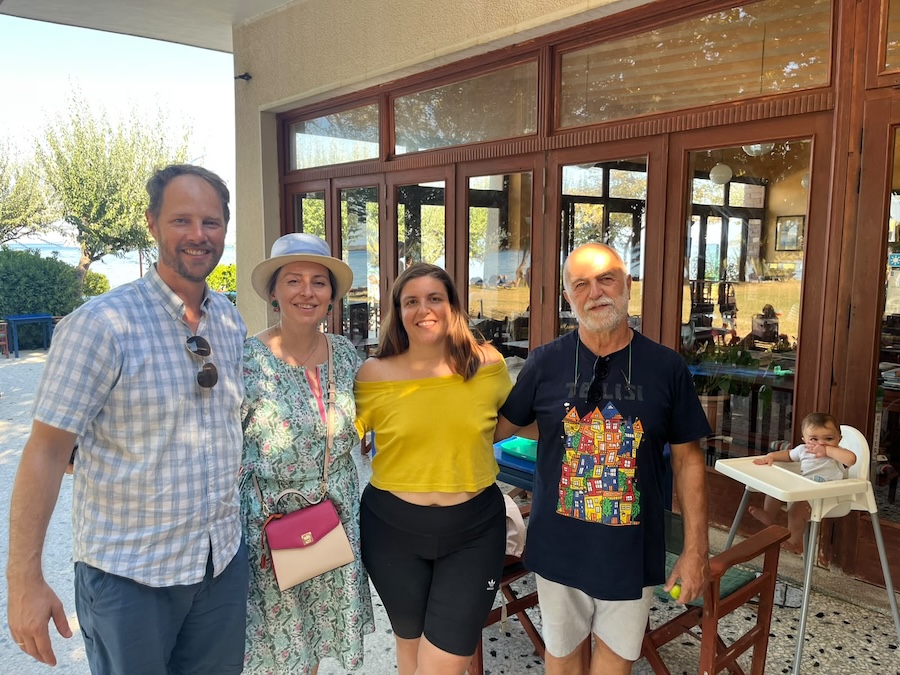
- Special access events: meet our colorful friends!
- Water and snacks on the bus (we pamper our guests!)
Not Included:
- International airfare
- Tips for primary guides and driver
- Personal services (laundry)
- Travel insurance (required)
Mobility-Fitness:
- Standard: 6/10 on the mobility scale (10 being the most demanding). Lots of walking at sites and around towns. Rocky trails at archeology sites, and underground city in Cappadocia.
- For some locations, we may need to wheel suitcases 100 yards to the hotel among narrow streets where the bus cannot access. Pack accordingly.
- General fitness required. There are stairs to the sites, and sometimes long distances to cover on foot. Walks are on uneven rocky terrain, sturdy footwear required.
Special Notes:
- This will be flower season!
- Excellent boutique hotels on this itinerary.
- History - Archeology focus on this tour.
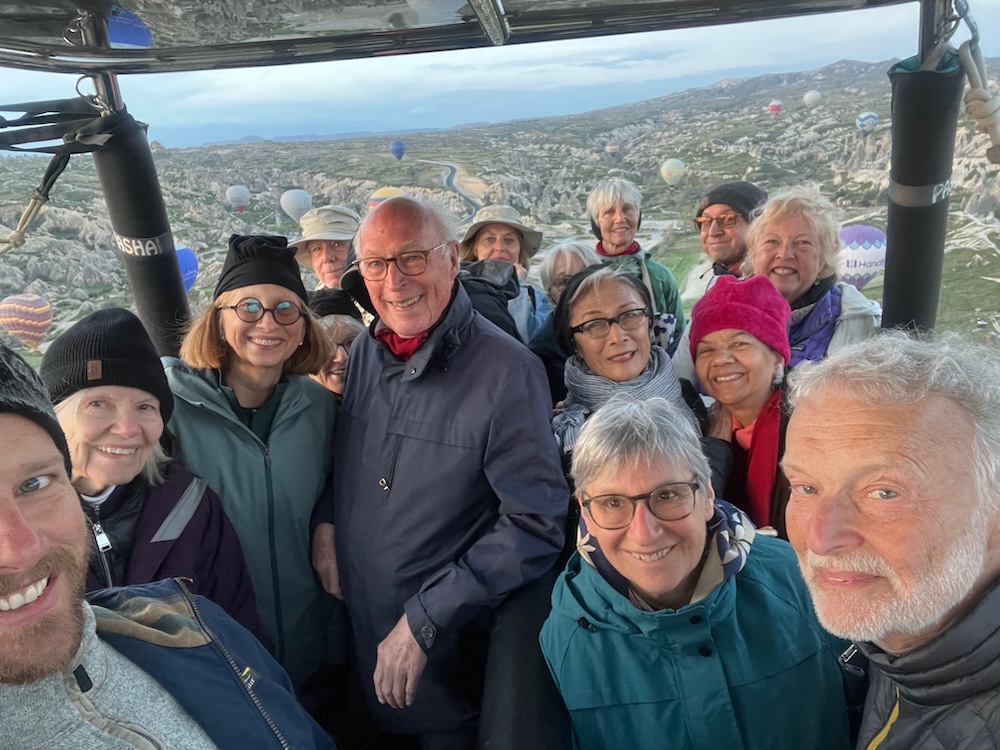
- Optional hot air balloon ride in Pamukkale (not included in package price)
Weather:
- On the coasts, there may be cool refreshing breezes in the mornings and evenings. Otherwise we expect temperatures in the 70s, perhaps warmer when we go inland to Pamukkale, though this location is higher elevation and might also experience more possibility of spring rains.
- April-May is the height of spring, we'll have many gorgeous days, with all of the fruit trees blossoming across the countryside!
Travel Program
If we look at a map of the northern Aegean Sea today, we see a border - Greece on one side, Turkiye on the other. For nearly all of the history we explore on this tour, that reading would have made no sense. The Aegean was not a boundary but a corridor, the fastest road in the ancient world, and the peoples of both shores spoke the same languages, worshipped in the same sanctuaries, and competed for trade in the same harbors.
This tour is designed to emphasize the connections between island and mainland: we begin on the Greek island of Lesbos for the Easter celebrations, then take a morning ferry to the Turkish coast where we travel north to Troy, later turning south to investigate the prominent Lydian and Ionian cities, sanctuaries, and geologic wonders to the south. These are the same waterways and highways that carried Mycenaean warships, Aeolian settlers, Persian armies, Roman grain ships, and the apostles in the historical eras we explore on this tour.
We have timed the tour to coincide with Orthodox Holy Week as celebrated in traditional Greek island villages. An exploratory trip to Lesbos introduced me to a wild and ancient landscape, with historic castle towns dotting the high hillsides and the best harbors. The celebrations that we will witness, in the able hands of our local Greek hosts, will be memorable, inclusive, and non-touristy. On Good Friday evening, we will be in a mountain village at dusk as the flower-covered Epitaphios is processed through the streets by candlelight to the solemn tolling of the bell. Observing and participating in such living traditions help us, the travelers, to understand how ancient ruins were once thriving communities, reminding us of what it means to be rooted to place, connecting our shared humanity.
Religious View
This coast of Anatolia and their neighbor islands is where Christianity became an urban, empire-wide religion, and five of the Seven Churches of Revelation lie on our route. On Lesbos, at midnight on Holy Saturday, we will participate in the candlelit parade marking the martyrdom of Christ, in a ritual that was certainly inherited by the early Christians from even earlier civilizations on these coasts.
When the Bronze Age world collapsed in the 12th century BC, Greek-speaking populations moved east across the water from the Balkans and the Greek mainland and settled among Luwians, Lydians, and Carians. What emerged was a hybrid culture: Greek in language and civic form, deeply Anatolian in religion. This culture produced the Iliad, the first coinage, and eventually, the most industrious of the Greek and Roman colonies.
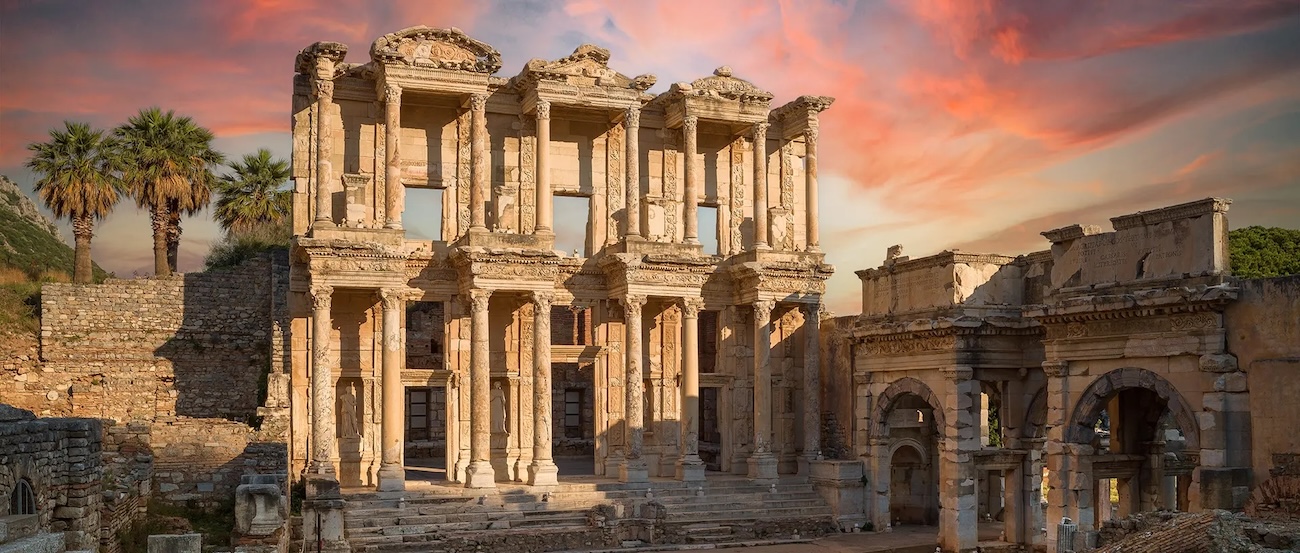
Sacred shrines throughout the region were adapted to match the Greek pantheon: at Hierapolis, a Phrygian cult to Lairbenos the sun god located at the entrance of a sulfur-emitting cave in Hellenistic times became a syncretist shrine attached to Apollo and prophecy. Meanwhile at Ephesus, the shrine of the Anatolian mother goddess Cybele later becomes the greatest sanctuary of Artemis in the Greek world, and then the same city where Mary is proclaimed Theotokos in the Christian era. The seated goddess flanked by animals who appears at Çatalhöyük in the 8th millennium BC looks remarkably similar to seated Cybele with her tamed lion.
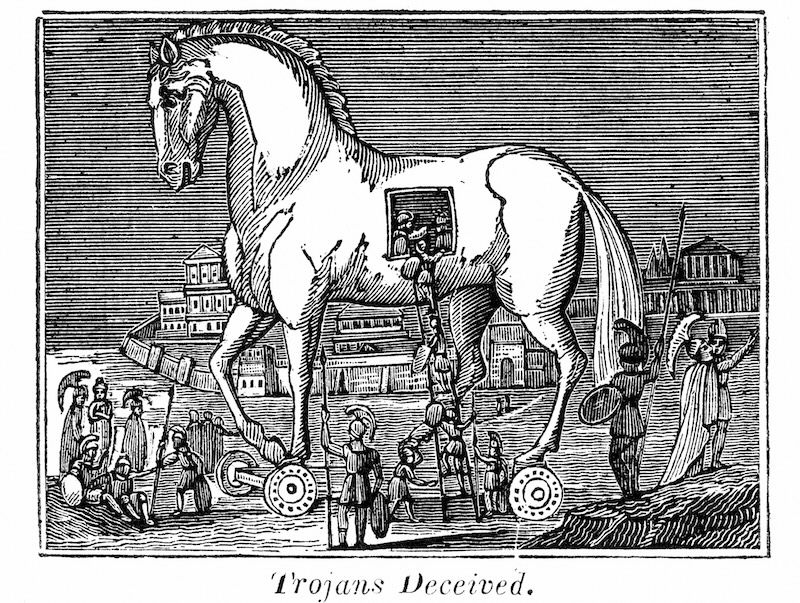
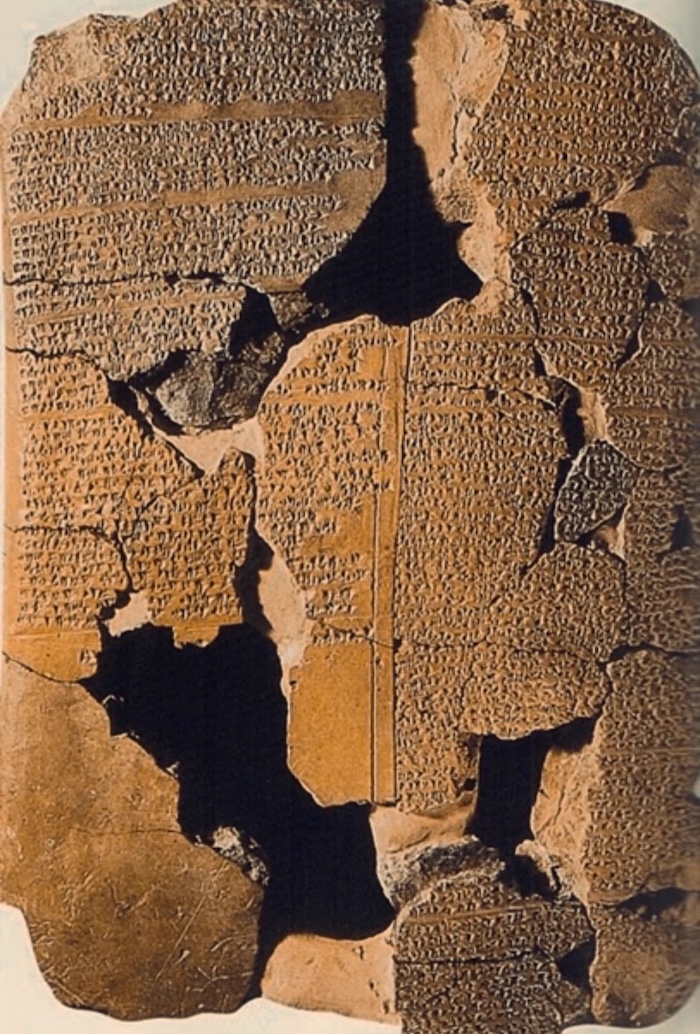
And while Homeric myth portrays Troy as a Greek-speaking city that worshipped Olympian gods like Athena, historical and archeological reality tells a different story. In the bronze age (c. 3000-1180 BC), Troy was known to its neighbors as Wilusa and its people likely spoke Luwian and practiced a distinctly Anatolian religion centered around nature, local landscape deities, and unique regional gods. The Alaksandu Treaty (1280 BC) between the Hittite king Muwatalli II and king Alaksandu of Troy lists several divine witnesses including Apaliunas, a protector god whose legacy would become Apollo in the Greek pantheon.
In Christian times, the basilica cathedrals replaced the temples, but the pilgrimage routes and fervent veneration remained the same.
Geographic View
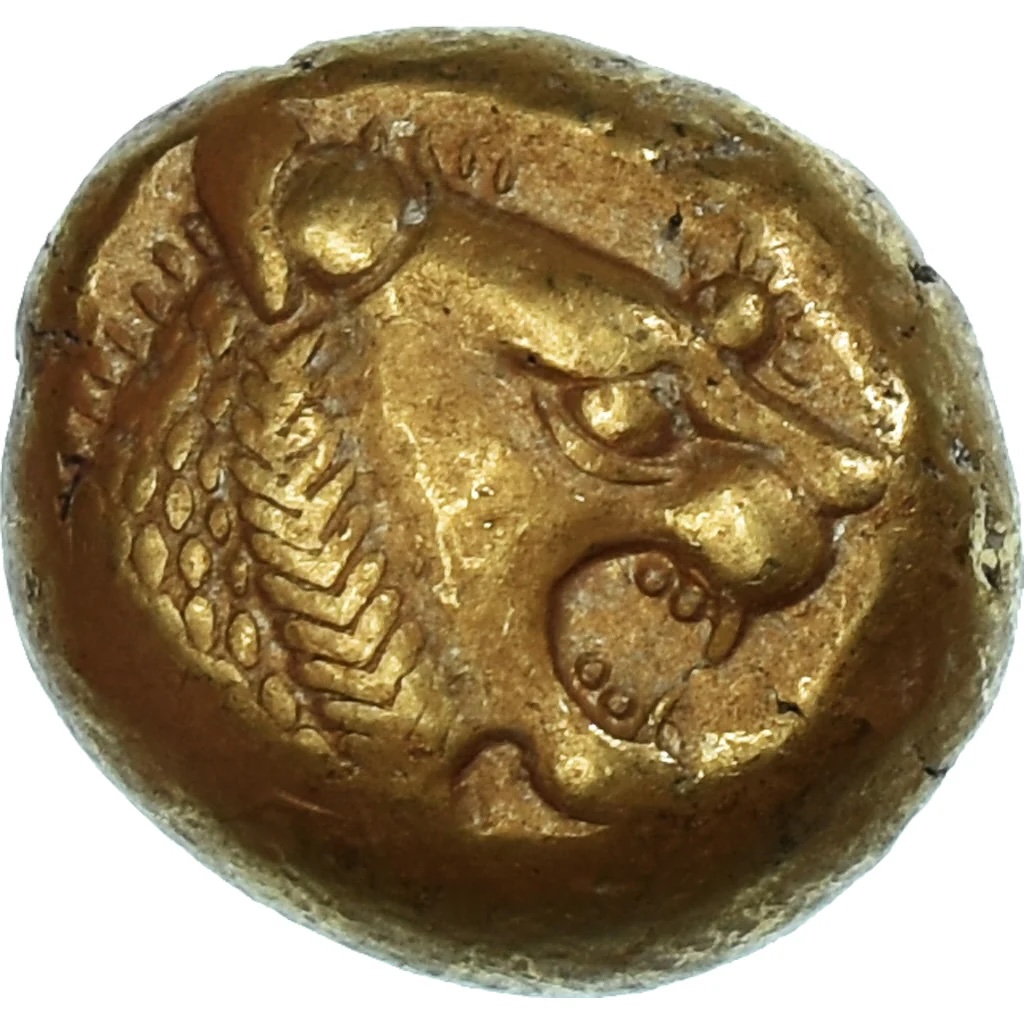
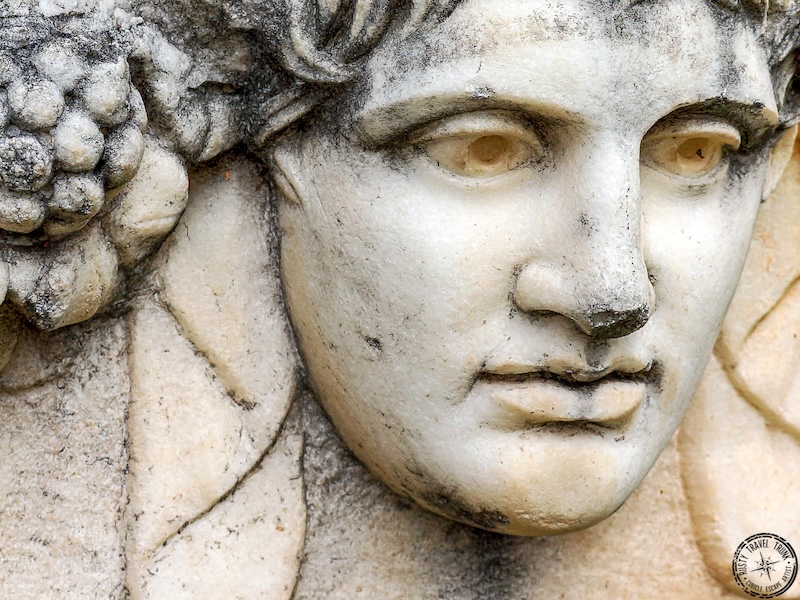
Empires and battles fill the pages of our history books, but rivers and faults also play significant roles. Gold in the Pactolus river made Sardis rich and gave the world its first coinage. The physical proximity of high-quality marble quarries allowed Aphrodisias the raw material to become the sculpture capital of the Roman empire in Asia Minor. A gas vent and a hot spring made Hierapolis a massive city centered around a spa, a shrine, and for those unlucky not to be healed, an enormous cemetery.
Intensive logging and agriculture in the arid inland hills led to extreme erosion that eventually silted up the prosperous harbors of Miletus and Priene, and despite Roman dredging and expensive engineering works, finally stranded Ephesus itself several kilometers inland, ending two thousand years of prosperity. Nowhere is the inexorable silting of a valley more pronounced than at Troy itself, which now sits 4 miles inland. It is hard to imagine that this was once the greatest of port cities, where sailors had to wait for favorable winds to attempt the dangerous up-current passage through the Dardanelles strait into the Sea of Marmara and beyond to the Black Sea. Trojans capitalized on their position to charge protection duties in exchange for expert navigators and security guarantees with allied cities. And while they waited, sea captains traded wares in the markets of Troy and procured supplies for the journey ahead. Thus, the vagaries of the winds influenced the fortunes of the great city.
In modern times, the 4-mile strait between Assos in Asia, and Lesbos in Europe, made this one of the most heavily trafficked routes for refugees seeking to escape the Syrian civil war into welfare-supportive European nations. Our consideration of the physical geography enhances our understanding of this fascinating region.
Brochure & Registration
Read more about our program in the pages that follow! To register, request our brochure and registration form by email: admin@johngrahamtours.com
Tour Videos (Ancient Greek sites playlist)
Tour Locations:
Lesbos
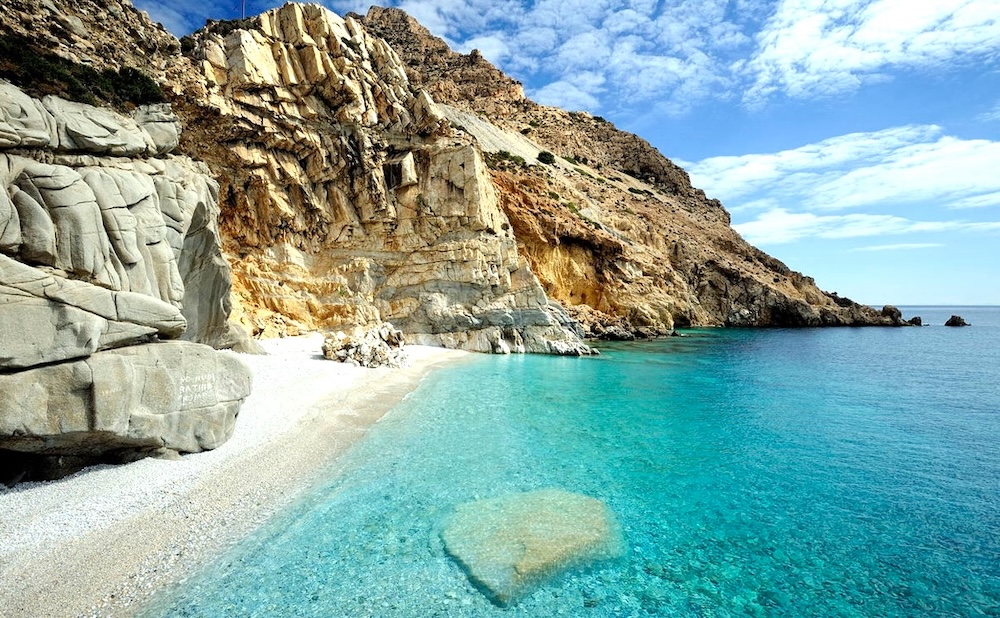
+ Lesbos is a Greek island near the coast of Turkiye in the northern Aegean. We will spend four nights here participating in the Orthodox Easter celebrations with our hosts.
Assos
+ This ancient city across the strait from Lesbos was once home to Aristotle, and will serve as a good base from which to stage our recreation of the story of the Iliad: a trip to Troy!
Selcuk
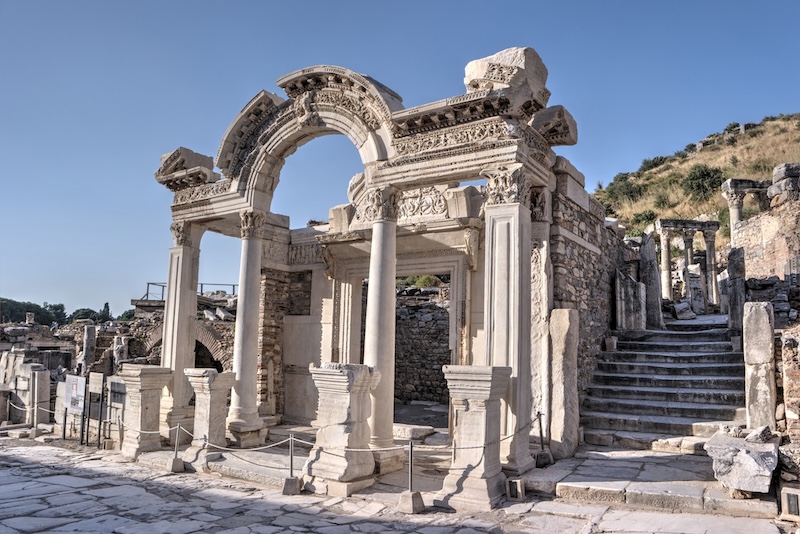
+ Our three days in Selcuk provide a perfect staging ground to explore the area including Ephesus, Priene and Didyma, the archeology museum, the basilica of St. John, and the Seljuk Isa Bey mosque.
Pamukkale
+ The famous springs of Pamukkale attract us as much as they have attracted settlers and travelers for many past ages. We visit the cities of Aphrodisias, Heiropolis, and Laodicea, while also marveling at the mineral terraces formed by the natural hot springs. Optional hot-air balloon ride at dawn!
Izmir
+ We finish the tour in Izmir, located conveniently near an international airport, and also close to the ancient cities of Sardis and Smyrna.
Request the full brochure! Email: admin@johngrahamtours.com